Create an image with Bing
Create an Image with Bing, Faster and More Impressive
Transform your ideas into stunning visuals instantly. Describe what you want, and Bing AI will create it for you in seconds.
No watermark, create freely, high resolution;
Create Your Image
Describe what image you want to create and let Bing AI bring it to life instantly
Try out a few prompts
See what Bing AI can create. Click on any example to use it as inspiration and create your own image.

English Afternoon Tea
A sophisticated English afternoon tea set in a luxury London hotel, a three-tier silver stand filled with delicate finger sandwiches, scones with clotted cream, and colorful macarons, elegant fine bone china teacups, soft feminine aesthetic, pastel color palette, airy and bright lighting, perfect for a lifestyle influencer's feed.

Parisian Cafe
A quintessential French cafe scene in Paris, a close-up of a flaky, golden croissant and a cup of rich espresso with latte art on a round marble table, a blurred background of a charming cobblestone street with a flower shop, warm morning sunlight, cinematic "Parisian aesthetic," soft bokeh, high-end travel blogger style.

Ghibli Style Girl
Studio Ghibli art style, a young woman in a flowing white sundress running through a sprawling meadow filled with colorful wildflowers, a wicker picnic basket nearby, wind blowing through her hair, distant blue mountains, soft pastel sunlight, clear high-quality hand-painted illustration, pure and ethereal.

Whimsical Children's Illustration
Whimsical children's book illustration, an old grandfather elephant telling stories to a group of baby forest animals under a giant glowing mushroom, warm firefly lighting, magical forest background, soft pastel colors, hand-drawn crayon texture.

Boston Sightseeing Map
Generate a sightseeing route map of Boston.

French Bouillabaisse Process
Generate an infographic showing the process of making French Bouillabaisse in English.

Water Cycle Infographic
A clean, educational infographic titled "THE WATER CYCLE: NATURE'S JOURNEY" with a simple blue-and-white nature-inspired design. It should feature the following labels arranged in a cycle or flow diagram: PRECIPITATION, TRANSPIRATION, CONDENSATION, RUNOFF & COLLECTION, and GROUNDWATER FLOW. Include simple icons for rain, plants, clouds, water bodies, and underground water. Use shades of blue and soft white, with a clear step-by-step circular layout.

Photosynthesis Steps
A clean, educational infographic titled '5 Steps of Photosynthesis' with a simple nature-inspired design. It should list: 1. Light Absorption, 2. Water Splitting, 3. Oxygen Release, 4. Energy Conversion, 5. Glucose Production. Include a leaf or sun icon, and a footer text: 'Photosynthesis uses light, water, and CO₂ to create oxygen and energy for the plant. Vital for life on Earth.' Use green and soft yellow colors, with clear step-by-step layout.

Fantasy Audiobook Cover
Epical fantasy audiobook cover, a young female warrior with a glowing sword looking over a sprawling, ancient elven city at sunset, vibrant warm colors, detailed armor, wide shot, digital painting style, reminiscent of Studio Ghibli but more mature, intricate details.

Business Dashboard
A clean, professional business data dashboard infographic titled "Q4 SMARTPHONE & TEAM PERFORMANCE OVERVIEW". The layout features four quadrants: a blue bar chart showing monthly sales growth, a colorful pie chart for market share distribution, a multi-line graph showing sales trends of four different models (Y, Z, W, V), and a blue radar chart for team capabilities assessment. Minimalist design with clear text labels, data callouts, and brief summary captions under each chart. Modern corporate style, high resolution, white background.

4-Koma Manga
4-koma manga, Japanese manga style. A man with glasses (Kenji) and an energetic woman with orange hair appear. Panel 1: Kenji reading on a living room sofa. Suddenly, the orange-haired woman bursts through the door with a cardboard box, excitedly shouting "Kenji! Look! It finally arrived!" Kenji looks surprised. Panel 2: Kenji stands up from the sofa, facing the woman. With a sparkling background, she holds out a small pudding cup with both hands, saying with shining eyes "It's the limited edition 'Galaxy Pudding'!" The pudding glows slightly. Kenji looks at it calmly. Panel 3: Kenji adjusts his glasses with his finger, looking skeptically at the pudding cup up close. He says "...Looks like just regular pudding with glitter." The woman is in the background with a puzzled expression. Panel 4: The woman happily eats the pudding with a spoon. Cherry blossom petals in the background, she says "It's all about mood! Delicious!" Kenji stands small in the background, muttering "As long as you're happy..."

Skincare Product Photography
A high-end, clean skincare product photography shot on a white marble vanity. The scene features a frosted glass dropper bottle with a gold cap and a matching open jar of white moisturizing cream with its gold lid leaning against it. Next to the products are fresh green aloe vera leaves with water droplets and small white jasmine flowers. The background is a bright, softly blurred modern bathroom. Above the products, elegant black serif text reads: "INSTANT RADIANCE. DEEP HYDRATION. CLINICALLY PROVEN RESULTS." The lighting is bright and airy with soft natural shadows. Professional commercial photography, minimalist aesthetic.

A kitchen in the farmhouse style
A kitchen in the farmhouse style with soup and spices on the countertop, warm light, shallow depth of field

A product photo of a juice bottle
A product photo of a juice bottle surrounded by paper waves, quilling style, pastel colors

A sleeping cat
A sleeping cat lying in the sunlight on a windowsill in mid-day, retro color palettes, shallow depth of field, blurred background

A bluebird
Simple folk style illustration of a bluebird with red and yellow flowers

A maple tree
A detail of a maple tree in the middle of a green field, blue sky, warm color palette, autochrome style, vintage
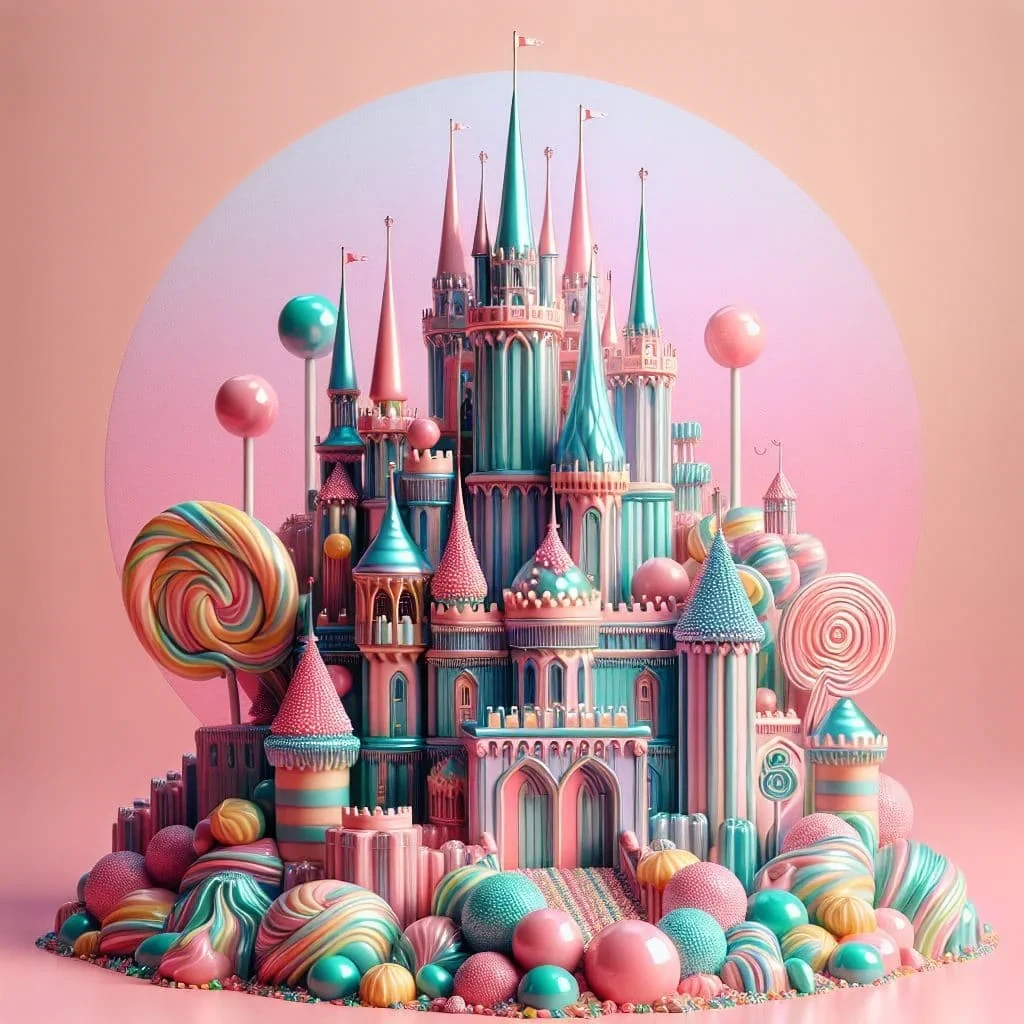
A castle
A castle made out of gumdrops and lollipops on a pink background, 3D hyper-surrealism, shiny, metallic, pastel colors
Why choose our AI image generator?
Creating images is easy. Just write a description of what you'd like and watch the text to image transformation happen in seconds. You'll get vivid, high-resolution images with stunning detail.
Lightning Fast
Generate high-quality images in seconds, not minutes. Our optimized AI delivers results quickly.
Precision Quality
Advanced AI models ensure your images match your vision with stunning detail and accuracy.
Multi-Language
Create images in any language. Our AI understands and processes prompts in multiple languages.
Multiple Styles
From photorealistic to artistic, generate images in any style you can imagine.
No Login Required
Start creating images instantly without needing to sign up or log in. Enjoy full functionality right away.
Most Affordable
Our image generation service offers the best value in the market with competitive pricing and high quality.
Unlimited Generation
Create as many images as you want without any restrictions. Let your creativity flow freely.
Watermark-Free
Get high-quality images without any watermarks, perfect for professional use.
Commercial Use
Use generated images for commercial projects with appropriate licensing.
Create an image with Bing in seconds
Turn your ideas into stunning visuals with Bing AI in just 4 simple steps
Describe your vision
Tell Bing AI what image you want to create. Be as detailed or simple as you like.
Choose your size
Select from various artistic styles or let our AI choose the best approach.
Create your image
Bing AI processes your request and creates a unique, high-quality image.
Download & enjoy
Get your image in high resolution and use it anywhere you need, whether it's for personal use or commercial projects.
Frequently Asked Questions
Everything you need to know about Create an image with Bing
What is Bing AI image generation? How to create images using text descriptions?
+Bing AI image generation is a technology that transforms text descriptions into visual images using artificial intelligence. Simply enter a detailed text prompt describing what you want to see, and the AI will create a corresponding image based on your description.
What types of images does Bing Image Creator support? What's the difference between artistic illustrations, product models, and scene compositions?
+Bing Image Creator supports various image types:
- Artistic illustrations: Creative visual works in different artistic styles
- Product models: Detailed visual representations of products
- Scene compositions: Complete visual scenes with multiple elements combined
Each type has unique characteristics and is suitable for different use cases.
What is the AI prompt enhancement feature? How does it help me get better image results?
+The AI prompt enhancement feature analyzes your initial prompt and suggests improvements to make it more detailed and specific. This helps the AI better understand your intent and generate more accurate and high-quality images that match your expectations.
What is the resolution of images generated by Bing AI? What image size options are supported?
+Bing AI generates images at various resolutions, typically ranging from standard to high definition. You can choose from several preset size options to suit your specific needs, whether for web use, print, or social media platforms.
What output formats does Bing Image Generator support? What's the difference between JPG and PNG?
+Bing Image Generator primarily supports JPG and PNG formats:
- JPG: Compressed format suitable for photographs and complex images with many colors
- PNG: Supports transparency and is better for images with text, logos, or simple graphics
Choose based on your specific usage requirements.
How to customize image dimensions? What are the pixel limitations and best practices?
+You can customize image dimensions using specific parameters in your prompt or through the available size options. While there are maximum pixel limitations, for best results, we recommend specifying clear dimensions relevant to your intended use case and maintaining standard aspect ratios.
How does the quality of images generated by Bing AI compare to other AI image generators? What are the advantages?
+Bing AI image generation offers competitive quality with advantages in text understanding, detail rendering, and adherence to content safety standards. It particularly excels at generating coherent scenes and maintaining visual consistency with the provided descriptions.
What is the "Precision Quality" feature? How does it ensure the image highly matches my description?
+The "Precision Quality" feature enhances the AI's ability to accurately interpret and implement specific details from your prompt. It focuses on precise execution of visual elements, color schemes, lighting conditions, and compositional aspects to ensure the generated image closely aligns with your description.
How long does Bing AI image generation take? What factors affect generation speed?
+Image generation typically takes a few seconds to process. Factors affecting speed include prompt complexity, image size, current server load, and the specific details requested in the image description. More complex scenes with many elements generally require more processing time.
Why is Bing Image Creator faster than other similar tools? What optimization technologies are used?
+Bing Image Creator is faster due to advanced cloud infrastructure, optimized AI models, and efficient processing pipeline. It leverages distributed computing resources and specialized hardware accelerators to deliver faster generation times while maintaining high image quality.
What is the "Unlimited Generation" feature? Is it truly unlimited?
+The "Unlimited Generation" feature typically refers to subscription plans that offer higher limits on image generation, though actual usage may still be subject to fair use policies and system capacity constraints. It's designed to provide sufficient access for most active users rather than truly unlimited usage without any restrictions.
What content filtering and safety measures does Bing Image Generator have? How to ensure generated content complies with regulations?
+Bing Image Generator employs multiple layers of content filtering and safety measures, including prompt screening, image content analysis, and adherence to responsible AI principles. It works to prevent generation of inappropriate, harmful, or violating content, though users should still review outputs before use.
Are the generated images protected by copyright? Can I use these images freely?
+The copyright status of AI-generated images can vary by jurisdiction and specific circumstances. In many cases, users receive certain usage rights for images they generate through services like Bing Image Creator, but it's recommended to review the specific terms of service and consider any applicable legal requirements for your use case.
How does Bing Image Creator prevent generating inappropriate or infringing content? What safety mechanisms are in place?
+Bing Image Creator uses a combination of pre-generation filters to screen prompts, post-generation content analysis, and ongoing model improvements to prevent inappropriate content. It also incorporates responsible AI frameworks and content policy enforcement to maintain safety standards and prevent potential copyright issues.
How can content creators use Bing image generation to improve creation efficiency? What are some practical tips?
+Content creators can use Bing image generation to quickly produce visual assets for their work. Practical tips include creating consistent prompt templates, batch generating multiple variations, using the images as starting points for further editing, and integrating generated visuals directly into content workflows to save time and enhance creative output.
How can bloggers and social media users utilize AI-generated images to create engaging content?
+Bloggers and social media users can leverage AI-generated images to create custom visuals that perfectly match their content themes, enhance engagement, and maintain a consistent brand aesthetic. They can quickly generate eye-catching thumbnails, illustrate concepts, create seasonal content, and produce unique visuals that stand out in crowded feeds without requiring design skills.
How can video creators use Bing image generation tools to make thumbnails and cover images?
+Video creators can use Bing image generation to create attention-grabbing thumbnails and cover images by describing key visual elements they want to highlight from their videos. They can specify dimensions appropriate for different platforms, incorporate text elements, and generate multiple options to test which performs best for viewer engagement.
How can copywriters combine prompt techniques to generate images more aligned with content themes?
+Copywriters can enhance their prompt writing by incorporating content keywords, matching emotional tones, using relevant metaphors, and describing visual styles that complement their written content. This alignment between text and visuals creates a more cohesive and effective communication experience for the audience.
How can small businesses use AI image generation to reduce marketing costs?
+Small businesses can use AI image generation to create custom marketing visuals without hiring professional designers or purchasing expensive stock photos. This allows them to quickly produce promotional materials, social media content, website images, and advertising visuals at a fraction of traditional costs while maintaining professional quality.
How to use Bing image generation for product design inspiration and prototype visualization?
+Designers can use Bing image generation to create visual concepts and prototypes by describing product features, aesthetics, and functionality in detail. This allows for rapid exploration of multiple design variations, visualization of ideas that might be difficult to sketch, and quick iteration on concepts before investing in full development.
What are the recommended tips for generating high-quality business card designs using AI?
+For high-quality business card designs, provide specific details about preferred colors, typography styles, layout preferences, and any logos or branding elements to include. Specify business card dimensions, desired professional tone, and any particular aesthetic influences. Use the generated designs as starting points that can be refined in design software.
What are the key principles of prompt engineering for generating commercial advertising images?
+For effective commercial advertising images, focus on clear product description, specific target audience, desired emotional response, brand guidelines compliance, and call-to-action elements. Use descriptive language for lighting, composition, and style that aligns with marketing objectives, and consider the platform where the image will be displayed.
What GPU specifications and computing resources are needed to run text-to-image models locally?
+Running text-to-image models locally typically requires powerful GPUs with at least 10-24GB VRAM for efficient operation. For popular models like Stable Diffusion, a NVIDIA RTX series GPU is recommended. Lower-spec systems can still run smaller models or use CPU-only inference, though generation will be significantly slower. Cloud computing resources offer alternatives for users without high-end hardware.
What are the common image generation algorithms and their advantages/disadvantages?
+Common algorithms include diffusion models (excellent for photorealism), GANs (good for specific styles but may struggle with complex prompts), VAEs (efficient but lower quality), and flow-based models. Each has tradeoffs in image quality, generation speed, training complexity, and ability to follow text instructions accurately. Modern systems often combine approaches for optimal results.
How is AI image generation technology developing? What are the future trends?
+The field of AI image generation is rapidly evolving with trends toward higher resolution output, faster generation speeds, improved text rendering, more nuanced prompt understanding, and better control over specific image elements. Future developments include greater multimodal capabilities, more efficient models for edge devices, enhanced creative collaboration tools, and improved ethical safeguards and content filtering mechanisms.
How to solve the problem of generating text content in images? What are the best practices for text rendering?
+For better text rendering in AI-generated images, provide clear text specifications in prompts, avoid overly complex fonts, and consider using post-generation tools to refine text elements. When high-quality text is critical, it's often better to generate text separately and composite it with the AI-generated image background.
What is the technical principle of prompt optimization for text-to-image models?
+Prompt optimization involves understanding how models interpret language by analyzing token importance, attention mechanisms, and training data biases. Effective techniques include using specific descriptive terms that match training data patterns, arranging prompt elements by importance, using artistic and style references that models recognize, and providing contextual details that guide generation toward desired outcomes.
How to generate consistent character images across multiple sessions? What techniques ensure character consistency?
+Creating consistent characters requires detailed, specific descriptions of physical features, clothing, and style elements in prompts. Techniques include maintaining identical character descriptions across generations, using reference images when supported, generating multiple variations from the same seed value, and using more advanced models that have better consistency capabilities. Some platforms also offer character libraries or memory features.
How to solve common problems such as blurry images or unrealistic proportions in generated images?
+To address quality issues, try being more specific about desired quality in prompts (e.g., "sharp focus"), providing more detailed descriptions of subject proportions, using reference styles known for accuracy, generating multiple variations and selecting the best one, and using post-processing tools to refine problem areas. Higher-end models generally produce better results for complex subjects.
How to optimize prompts to generate better portraits? What key elements should be included?
+For better portraits, include specific details about facial features, hair style/color, eye color, facial expression, age, ethnicity, lighting conditions (e.g., soft natural lighting), camera angle, composition style, and any accessories. Mentioning specific portrait photography techniques or artistic styles can also improve results. Adding quality indicators like "professional portrait" or "highly detailed" helps guide the generation process.
How to generate product images with transparent backgrounds? What are the effective methods?
+For transparent backgrounds, explicitly request "transparent background" in your prompt, use terms like "isolated on white background" for easier post-processing removal, or generate on a plain color that's easy to remove. Many platforms also support uploading reference images with transparency as guidance. For best results, you may need to use image editing software to refine the transparency after generation.
How to combine multiple reference images for AI image generation? What are the best practices?
+When supported by the platform, upload multiple reference images and specify which elements to borrow from each (e.g., "use composition from image 1 and color palette from image 2"). Structure your prompt to clearly indicate how different references should influence the final image. Experiment with different reference weightings and combinations to achieve the desired result. Some platforms offer more sophisticated reference control than others.
What tips can help generate images that better match specific artistic styles?
+To match specific artistic styles, name the artist, art movement, or specific style clearly in your prompt. Include distinctive characteristics of that style (color palette, brush techniques, composition elements). Reference specific works by the artist when possible. Use style-related terms that models recognize (e.g., "van Gogh's starry night style" or "Art Deco"). Generating multiple variations and selecting the best match can also improve results.
How to generate images with specific aspect ratios and dimensions?
+To generate images with specific dimensions, include the desired aspect ratio or pixel dimensions directly in your prompt (e.g., "16:9 aspect ratio" or "1024x768 pixels"). Many platforms also offer dimension selection options in their interface. For optimal results, ensure your prompt aligns with the aspect ratio (e.g., wide landscapes for 16:9, portraits for 4:5). Some platforms may require membership for accessing custom dimension features.
What methods can be used to improve the detail and resolution of generated images?
+To improve detail and resolution, include terms like "high resolution," "ultra-detailed," or "8K quality" in your prompts. Use more descriptive language about textures, lighting, and fine details. Some platforms offer upscaling features or allow generating at higher resolutions directly. You can also use external upscaling tools after generation, though this won't add new details that weren't in the original image.
What are the recommended techniques for generating landscape and architectural images?
+For landscape and architectural images, specify the type of environment (mountain, beach, urban), architectural style, time of day, season, weather conditions, and lighting. Include terms like "perspective," "scale," and "composition" to guide spatial elements. Mention specific architectural features or landscape elements you want emphasized. Using wide aspect ratios often works better for landscapes than square formats.
How to adjust prompts to generate different lighting effects in images?
+To control lighting, include specific lighting types (soft natural light, dramatic shadows, golden hour), time of day (sunrise, midday, sunset, night), light direction (front lighting, side lighting, backlighting), and lighting quality (warm, cool, diffused). You can also reference specific lighting techniques (Rembrandt lighting, cinematic lighting) or describe how light interacts with your subject to achieve the desired mood and atmosphere.
What are the differences between various AI image generation APIs and their integration methods?
+AI image generation APIs differ in features, pricing models, generation speed, image quality, and supported parameters. Popular options include OpenAI's AI API, Stable Diffusion APIs, and Midjourney (which currently has limited API access). Integration typically involves API key authentication, sending HTTP requests with prompt parameters, and handling image responses. Some offer SDKs for common programming languages, while others provide RESTful interfaces for flexible integration.
How to integrate AI image generation into existing workflow processes?
+To integrate AI image generation into workflows, start by identifying bottlenecks where image creation delays processes. Create prompt templates for common image needs, establish review processes for generated content, and consider batch processing for multiple similar images. Many platforms offer browser extensions, plugins for design software, or API access for custom integrations. Gradually introduce the technology to teams with training and clear guidelines.
What are the recommended programming languages and frameworks for developing AI image generation applications?
+Python is widely used for AI image generation applications due to libraries like Pillow, OpenCV, and TensorFlow/PyTorch. For web applications, JavaScript with React or Vue frameworks works well with image generation APIs. Backend services can use Node.js, Ruby, or Python. Mobile apps can leverage platform-specific frameworks with API integration. Many developers create hybrid solutions with Python for model inference and JavaScript/TypeScript for user interfaces.
How to implement custom models and fine-tuning for specific image generation needs?
+Custom model implementation typically involves selecting a base model architecture, preparing a high-quality training dataset of relevant images and prompts, configuring training parameters, and performing iterative training with evaluation. Many platforms now offer fine-tuning capabilities through APIs or user interfaces. For specific needs, transfer learning techniques can adapt pre-trained models to your domain with less data than training from scratch.
What are the common technical challenges when developing AI image generation applications and how to solve them?
+Common challenges include handling API rate limits, managing generation costs, ensuring content quality, implementing effective error handling, and optimizing user experience. Solutions include implementing caching for repeated requests, setting up proper error recovery mechanisms, creating fallback options for failed generations, using progressive enhancement techniques, and continuously monitoring and improving prompt templates based on real-world usage data.
How to evaluate and compare the quality of different AI-generated images?
+Evaluation criteria include visual accuracy (how well the image matches the prompt), aesthetic quality (composition, lighting, color balance), technical aspects (sharpness, resolution, absence of artifacts), and contextual relevance. Many professionals use comparative testing with multiple generations of the same prompt, gather user feedback, and apply both objective metrics (if available) and subjective assessment based on specific use case requirements.
What are the recommended testing and quality assurance methods for AI image generation systems?
+Recommended methods include comprehensive prompt testing with a diverse set of inputs, error handling validation, performance benchmarking, content safety verification, and cross-platform compatibility testing. Establishing a test suite of standardized prompts with expected outcomes helps maintain quality as systems evolve. Regular monitoring of generation results and collecting user feedback are also essential for ongoing quality improvement.
How to optimize costs when using AI image generation APIs?
+Cost optimization strategies include implementing request caching to avoid redundant generations, using lower resolution settings for draft versions, batching similar requests when possible, monitoring usage patterns to identify optimization opportunities, and choosing the most cost-effective API tier for your usage volume. Some platforms offer different pricing models that may be more economical depending on your specific needs.
What are the potential ethical issues and considerations in AI image generation?
+Key ethical considerations include copyright concerns around training data and generated content, potential for misuse (misinformation, deepfakes), privacy implications, representation and bias issues, and environmental impact of energy-intensive models. Responsible use involves being transparent about AI-generated content, respecting intellectual property rights, implementing appropriate safeguards against misuse, and staying informed about evolving regulations and best practices.
How to ensure compliance with relevant regulations when using AI-generated images?
+Compliance requires understanding and adhering to relevant laws regarding intellectual property, data protection, and content regulation in your jurisdiction. Best practices include clearly disclosing when content is AI-generated, avoiding generation of content that violates laws or ethical guidelines, maintaining appropriate records of content generation, and implementing robust content filtering and moderation systems. Consulting with legal professionals familiar with AI regulations can provide additional guidance.
What are the environmental impacts of AI image generation?
+AI image generation has environmental impacts primarily from the significant computational resources required, which translate to energy consumption and carbon emissions. Training large models is particularly resource-intensive, though inference (generating individual images) has a smaller footprint. Some providers use renewable energy for their data centers, and efficiency improvements in model architecture continue to reduce environmental impact. Using the technology efficiently (avoiding unnecessary generations) can also help minimize your carbon footprint.
How to address potential copyright issues when using AI-generated images commercially?
+Addressing copyright concerns involves understanding the terms of service of your chosen platform regarding commercial usage rights. Some platforms grant broad usage rights, while others have restrictions. Best practices include avoiding prompts that explicitly reference copyrighted works, being transparent about AI generation when required, considering legal registration of unique AI-assisted works, and consulting with intellectual property experts for specific high-stakes commercial applications.
What are the current limitations and challenges in AI image generation technology?
+Current limitations include challenges with accurately rendering text, maintaining consistency across multiple generations, handling complex spatial relationships, and generating certain types of content that may be restricted for safety reasons. Technical challenges include computational requirements, generation speed, and occasional artifacts or anatomical inaccuracies. Ethical considerations and regulatory uncertainties also present ongoing challenges for widespread adoption in certain contexts.
What are the differences between paid and free AI image generation services?
+Paid services typically offer higher generation limits, better image quality, faster processing times, access to more advanced models, and commercial usage rights. They often provide priority support and additional features like higher resolution outputs, more customization options, and better content filtering. Free services usually have more restrictive limits, may add watermarks, offer lower resolution, and might not permit commercial use. The best choice depends on your specific needs, budget, and intended use cases.
How to choose the right AI image generation platform for different use cases?
+Choosing the right platform depends on your specific needs: consider image quality requirements, generation speed, cost constraints, commercial usage rights, ease of use, available customization options, and integration capabilities. For professional design work, Midjourney or AI 3 might be suitable, while for quick content creation, Bing Image Creator or Canva's AI tools could be more appropriate. Test multiple platforms with your specific use cases to determine the best fit.
What are the alternatives to Bing Image Creator for AI image generation?
+Popular alternatives include AI (OpenAI), Midjourney, Stable Diffusion (available through various platforms), Adobe Firefly, Canva AI, and Imagen by Google. Each has different strengths: AI excels at text rendering and creative concepts, Midjourney offers exceptional artistic quality, Stable Diffusion provides open-source flexibility, and Adobe Firefly focuses on commercially safe content. The best alternative depends on your specific requirements and preferences.
How do different AI image generation services compare in terms of image quality and style versatility?
+Services vary significantly in capabilities: Midjourney typically produces the highest artistic quality and photorealism but requires Discord usage; AI 3 excels at following detailed prompts and text rendering; Stable Diffusion offers extensive style customization through community models; Bing Image Creator balances quality and accessibility; Adobe Firefly specializes in safe commercial content. Style versatility also depends on how well each service responds to different artistic style prompts.
What are the key considerations when implementing AI image generation in business applications?
+Key considerations include cost management, quality control processes, integration with existing workflows, user training, content approval workflows, legal compliance, and monitoring for potential issues. Businesses should start with clear use cases, establish guidelines for appropriate usage, implement feedback mechanisms to improve results over time, and stay updated on evolving best practices and regulations in the AI image generation space.
How to develop custom prompt engineering strategies for specific business needs?
+Developing custom strategies involves analyzing business objectives, identifying common image needs, and creating structured prompt templates that consistently produce desired results. Test and refine prompts based on performance, document successful patterns, and consider creating a prompt library specific to your industry or brand. Regularly review and update strategies as models improve and business needs evolve. Collaborating with stakeholders across departments can also provide valuable insights for more effective prompts.
What are the recommended approaches for team collaboration using AI image generation tools?
+Effective collaboration approaches include establishing shared prompt libraries, creating clear review and feedback processes, implementing version control for generated assets, and providing team training on prompt engineering. Many platforms offer sharing and collaboration features, while others can be integrated with existing design and project management tools. Regular team discussions about successful techniques and maintaining documentation of best practices also help improve collective results.
How does AI image generation technology integrate with existing design software and tools?
+Integration options include direct plugins (like Adobe Firefly for Creative Cloud), import/export workflows, API connections for custom integrations, and browser extensions. Many design platforms are incorporating AI generation capabilities directly. For seamless workflows, consider how generated images will move through your existing processes - from concept generation through refinement and finalization. Some tools offer more direct integration than others, so compatibility should be considered when selecting platforms.
What are the emerging trends and future directions in AI image generation technology?
+Emerging trends include improved multimodal capabilities combining text, image, and other inputs, better control over specific elements in generated images, faster generation times, higher resolution outputs, and more efficient models that work on lower-powered devices. We're also seeing advancements in specialized models for specific industries, improved creative collaboration features, and more sophisticated content moderation systems. The technology continues to evolve rapidly with potential impacts across numerous creative and commercial fields.
How will AI image generation impact creative professions and industries?
+AI image generation is transforming creative industries by automating routine tasks, enabling rapid prototyping, democratizing visual content creation, and augmenting human creativity. It's changing workflows by allowing professionals to focus on higher-level creative decisions rather than technical execution. While some roles may evolve, new opportunities are emerging for those who can effectively leverage AI as a creative tool. The most successful professionals will be those who embrace AI as a collaborative partner while bringing uniquely human creative insights to their work.
What are the potential societal implications of widespread AI image generation adoption?
+Widespread adoption could lead to democratized access to visual content creation, transformation of creative industries and job roles, challenges for traditional copyright frameworks, potential for misinformation if misused, and changes in how we consume and trust visual media. It may also amplify existing societal biases if training data isn't diverse and inclusive. Balancing innovation with appropriate safeguards, education about AI-generated content, and thoughtful regulation will be important for maximizing benefits while minimizing potential harms.
What are the educational resources and learning paths for mastering AI image generation?
+Educational resources include official platform documentation, online courses (Coursera, Udemy, LinkedIn Learning), YouTube tutorials, community forums (Discord, Reddit), prompt engineering guides, and workshops. A good learning path starts with understanding basic concepts, experimenting with simple prompts, then progressing to more advanced techniques like style customization and composition control. Following industry experts, joining communities, and consistent practice are key to developing mastery. Many platforms also offer free trial periods to practice without financial commitment.
How to stay updated with the latest developments in AI image generation technology?
+Stay updated by following official product blogs and social media channels of major platforms, subscribing to AI-focused newsletters (like The Batch, Import AI), participating in community forums, attending conferences and webinars, following researchers and developers on Twitter/X, and joining relevant professional groups. Many platforms have active communities where users share tips and discoveries. Regular hands-on experimentation with new features as they're released is also valuable for practical understanding of advancements.
How does Bing Image Creator work?
+It's simple! Just visit our website, type a detailed description of what you want to see in the prompt field, and click the create button. Our AI will transform your text into a unique image in seconds.
What problems does Bing Image Generator solve?
+Bing Image Generator primarily solves the following problems:
1. Lower design barriers: Create high-quality images without professional design skills
2. Improve content production efficiency: Transform text descriptions into images in seconds, saving significant time
3. Creative expression obstacles: Help visualize abstract ideas quickly
4. Reduce visual content costs: Avoid expensive design services and copyright material fees
5. Multi-scenario adaptation: Meet diverse needs like blogs, social media, marketing materials, presentations, etc.
6. Personalized customization: Generate completely unique images tailored to specific requirements
How do I get the best results with Bing Image Creator?
+Simply describe what you want to create in the prompt box, select your preferred image size, and click the create button. The system will process your request and create a unique image based on your description in seconds.
How can beginners use Bing Image Creator?
+For beginners, start with simple, clear prompts that describe what you want to see. Include basic elements like subject, style, and mood. As you become more proficient, you can add more specific details about lighting, composition, and artistic style to create better results.
What types of images can I create with Bing Image Creator?
+Bing Image Creator can create various types of images, including:
1. Art illustrations: Paintings, sketches, and digital art in various styles
2. Realistic images: Lifelike landscapes, people, and objects
3. Concept art: Visualization of creative and abstract concepts
4. Product and scene rendering: Product displays and spatial scenes
5. Social media and marketing materials: Banners, posts, and advertising images
6. Cartoon and animation styles: Characters and scenes in various animation and cartoon styles
How can I improve my prompts for better results?
+Add specific details about style, lighting, color schemes, and composition to your prompts. You can also use our AI prompt enhancement feature to refine your ideas and generate more impressive results.
How do I create impressive results with Bing Image Creator?
+To create impressive results, try including detailed prompts with art styles, specific lighting conditions, emotional tones, and compositional elements. Don't be afraid to experiment with unusual combinations and refine your prompts based on results to create truly stunning visuals.
Can I use images created with Bing Image Creator for commercial purposes?
+Yes, you can use them for commercial purposes under the following conditions:
1. Service terms compliance: Ensure your use complies with service terms
2. Content licensing: Generated images are subject to licensing agreement
3. Commercial use restrictions: Some usage limitations may exist in certain cases, especially when involving specific trademarks or copyrighted content
What are the technical specifications of images created by Bing Image Generator?
+Images are typically generated in standard formats like PNG or JPEG with various resolution options. The exact specifications may vary depending on the specific settings and options you choose when generating the image.
How long does generation take?
+Most images are generated within 10 seconds, depending on complexity and server load.
What is Bing AI image generation? How to create images using text descriptions?
+Bing AI image generation is a technology that transforms text descriptions into visual images using artificial intelligence. Simply enter a detailed text prompt describing what you want to see, and the AI will create a corresponding image based on your description.
What types of images does Bing Image Creator support? What's the difference between artistic illustrations, product models, and scene compositions?
+Bing Image Creator supports various image types:
- Artistic illustrations: Creative visual works in different artistic styles
- Product models: Detailed visual representations of products
- Scene compositions: Complete visual scenes with multiple elements combined
Each type has unique characteristics and is suitable for different use cases.
What are the speed advantages of Bing Image Creator compared to other AI image generation tools?
+Bing Image Creator typically offers faster generation times due to optimized infrastructure and cloud computing resources. Images often generate in seconds rather than minutes, making it more efficient for rapid prototyping and content creation workflows. The service is also designed to handle high volumes of requests simultaneously without significant slowdowns.
What is the "Unlimited Generation" feature and how does it work?
+The "Unlimited Generation" feature (if available) would allow users to generate a higher volume of images without consuming standard generation credits. It typically comes as part of premium subscription plans and includes certain usage terms and conditions. Availability may vary by region and account type. Check your subscription details to see if this feature is included in your plan.
What content filtering measures does Bing Image Creator have?
+Bing Image Creator implements robust content filtering to prevent the generation of inappropriate or harmful content. It uses both pre-generation filtering of prompts and post-generation analysis of images. The system is designed to comply with content policies and community standards, blocking content that could be harmful, offensive, or violate intellectual property rights.
What copyright issues should users be aware of when using Bing Image Creator?
+Users should be aware that generated images may be subject to copyright considerations. Users are typically granted certain usage rights through license agreements, but restrictions apply. Avoid generating images that might infringe on existing trademarks or copyrighted works. For commercial use, carefully review terms of service to understand your rights and obligations regarding the generated content.
How can different creators (designers, content creators, marketers) use Bing Image Creator?
+Designers can use it for concept development and rapid prototyping. Content creators can generate custom visuals for their platforms. Marketers can create targeted campaign visuals quickly. Each group can benefit by incorporating AI-generated elements into their workflow, potentially reducing time spent on routine visual creation tasks while maintaining creative direction and oversight.
How can small businesses use AI image generation?
+Small businesses can use AI image generation to create marketing materials, social media content, product visuals, website images, and promotional graphics without expensive design resources. It enables quick iteration of visual concepts, customization for specific campaigns or audiences, and consistent branding across platforms—all at a fraction of traditional design costs.
How to use Bing image generation for product design?
+For product design, use detailed prompts describing the product's form, materials, colors, and context. Start with concept sketches, then refine into more detailed visualizations. Specify angles, lighting, and surroundings to create realistic product representations. Use the generated images as inspiration for final designs or presentation materials.
What are the techniques for designing business cards using AI?
+For business card design, create prompts that specify dimensions, layout preferences, color scheme aligned with branding, typography style, and required elements (logo, contact information). Focus on clean, professional aesthetics appropriate for your industry. Generate multiple variations, then use the results as inspiration or base designs that can be refined in traditional design software.
What are the principles of prompt engineering for commercial advertising images?
+Effective prompt engineering for advertising includes clearly specifying the marketing message, target audience, brand identity elements, emotional response desired, composition focusing on the product, appropriate lighting that highlights features, persuasive visual storytelling elements, and alignment with advertising platform requirements. Balance creativity with clarity to ensure the ad effectively communicates its purpose.
What GPU specifications are needed to run image generation models locally?
+Running image generation models locally typically requires a GPU with at least 8GB VRAM for basic functionality, though 12GB+ is recommended for better performance. More advanced models like Stable Diffusion XL or similar may require 24GB+ VRAM for optimal performance. NVIDIA GPUs with CUDA support generally work best, though some models can run on AMD GPUs using ROCm. System RAM, storage, and CPU also impact overall performance.
What are the advantages and disadvantages of common image generation algorithms?
+Diffusion models (like Stable Diffusion) offer high-quality results and good customization but can be computationally intensive. GANs (Generative Adversarial Networks) can produce sharp images but may have mode collapse issues. VAEs (Variational Autoencoders) are computationally efficient but may produce lower quality results. Each algorithm has trade-offs in quality, generation speed, hardware requirements, and ability to follow complex prompts.
What are the trends in AI image generation technology development?
+Current trends include improved text rendering capabilities, better control over specific image elements, faster generation times, higher resolution outputs, enhanced multimodal capabilities combining text and image inputs, specialized models for particular styles or applications, and more efficient models that can run on consumer hardware. We're also seeing increased focus on ethical considerations, content safety, and commercial licensing frameworks.
How to optimize text rendering in generated images?
+To optimize text rendering, use clear, concise text in prompts, specify font styles and sizes explicitly, place text in simpler areas of the composition, avoid overly complex backgrounds behind text, generate at higher resolutions, and consider using image editing software for final refinement. Newer models like AI 3 have significantly improved text rendering capabilities compared to earlier versions.
What is the technical principle behind prompt word optimization?
+Prompt optimization is based on understanding how language models interpret text inputs. It involves using precise, descriptive vocabulary that matches the model's training data, structuring prompts hierarchically (subject, style, details), incorporating relevant artistic or technical terms, using positive descriptions rather than negatives, and understanding model-specific preferences. The goal is to maximize the alignment between the user's intent and the model's interpretation of the prompt.
How to maintain character consistency in generated images?
+To maintain character consistency, provide detailed descriptions of physical features, specify consistent clothing and accessories, use reference images when possible, maintain similar lighting conditions across generations, generate multiple variations and select consistent ones, and use the same descriptive language for the character in each prompt. For critical consistency needs, consider using more specialized tools or fine-tuned models.
How to solve common image quality problems?
+Common quality issues can be addressed by improving prompt specificity, generating at higher resolutions, specifying better lighting and composition, avoiding overly complex scenes with too many elements, using more descriptive artistic terms, generating multiple variations to select from, and post-processing with image editing software. If issues persist, trying different models or services may yield better results.
What are the techniques for optimizing portrait prompt words?
+For portrait optimization, include detailed descriptions of facial features, expression, age, ethnicity, hair and eye color, lighting (soft, dramatic, natural), composition (headshot, three-quarter), style (photorealistic, artistic), and any specific elements like accessories or background context. Mention camera settings like aperture and focal length for more professional results, and specify the mood or emotion you want to convey.
How to generate transparent background product images?
+To generate product images with transparent backgrounds, use prompts that specify "transparent background" or "isolated on transparent." For best results, generate on a solid color background (like white or green) and use background removal tools afterward. Some platforms now offer direct transparent background generation. Ensure your prompt clearly identifies the product with detailed descriptions to help the AI focus on the product itself.
How to combine multiple reference images?
+Combining reference images typically requires specialized tools that support image-to-image generation or inpainting. Some platforms allow uploading multiple reference images with weighted influence. Alternatively, describe elements from different references in your text prompt, specifying which aspects should be taken from each source. This approach works best when clearly articulating which visual elements from each reference you want incorporated.
What are the techniques for matching artistic styles?
+To match artistic styles, explicitly name the style or artist in your prompt, include specific artistic techniques associated with that style, mention characteristic color palettes, brush stroke techniques, compositional approaches, and lighting styles typical of the desired art movement or artist. Provide multiple stylistic references if needed, and be prepared to refine your prompt based on initial results until the style matches your vision.
How to generate images with specific aspect ratios?
+Many platforms allow specifying aspect ratios directly in the generation settings. When prompting, include aspect ratio requirements in your prompt (e.g., "landscape format, 16:9 aspect ratio") and describe elements that work well for that composition. For specific platforms, check if they support parameter flags or settings for exact dimensions. When creating for specific platforms, generate at the recommended aspect ratio for optimal display.
How to improve image detail and resolution?
+Improve detail and resolution by generating at higher resolution settings when available, including specific details about textures, materials, and fine elements in your prompt, using terms like "ultra-detailed," "high resolution," or "4K quality," optimizing lighting to highlight details, and considering post-processing techniques like upscaling with specialized tools. Newer models generally produce better detail than older ones.
What are the techniques for landscape and architectural image generation?
+For landscapes and architecture, specify environment type, geographical features, architectural style, time of day, weather conditions, season, composition (aerial, ground-level), lighting quality, and specific architectural elements. Mention scale relationships between elements, vanishing points for perspective, and include details about materials, textures, and surrounding context. For urban scenes, specify layout patterns and architectural periods.
How to adjust prompts to control lighting effects?
+Control lighting by specifying type (natural, studio, dramatic), direction (front, side, backlighting), time of day (golden hour, blue hour, midday), intensity (soft, harsh), color temperature (warm, cool), and specific effects like rim lighting, volumetric light, or atmospheric scattering. Mention shadows (soft, hard, long) and highlights to further refine lighting characteristics. Lighting descriptions should be consistent with the scene type and mood you want to convey.
What are the differences between AI image generation APIs?
+APIs differ in features, pricing models, generation quality, response times, rate limits, supported image sizes, content policies, and ease of integration. Key differences include: AI API offers excellent text understanding but higher cost; Stable Diffusion-based APIs provide flexibility and lower cost; Midjourney lacks an official API but has third-party solutions. Consider your specific needs around quality, cost, speed, and features when choosing an API.
How to integrate AI image generation into existing systems?
+Integration typically involves using RESTful APIs or SDKs provided by image generation services. Start by setting up API authentication, then implement endpoints for sending prompts and receiving generated images. Consider implementing error handling, retry logic, and rate limiting. For a seamless experience, integrate with your existing user authentication, storage systems, and workflow tools. Test thoroughly with various prompt types and volume scenarios.
What are the methods for evaluating AI-generated image quality?
+Evaluation methods include both objective metrics and subjective assessment. Objective metrics may include resolution, detail level, color accuracy, and prompt alignment. Subjective assessment involves human judgment of aesthetic quality, relevance to the prompt, and suitability for the intended purpose. For commercial applications, consider A/B testing with target audiences, gathering user feedback, and comparing against industry standards or competitor offerings.
How to implement testing and quality assurance processes?
+Implement QA by creating test suites with diverse prompt types, establishing quality benchmarks, implementing automated validation where possible, conducting regular manual reviews, collecting user feedback, monitoring generation success rates, and tracking common failure patterns. Create a feedback loop for continuous improvement, document best practices, and establish clear criteria for acceptable outputs versus those requiring revision or rejection.
What are the strategies for optimizing API costs?
+Optimize costs by implementing caching for frequently generated content, using appropriate image resolutions for each use case, batching requests where possible, setting up usage monitoring and alerts, implementing rate limiting, considering reserved capacity or subscription plans for predictable workloads, and optimizing prompts to reduce the number of generation attempts needed. Compare costs across different providers based on your specific usage patterns.
What are the ethical issues in AI image generation?
+Key ethical issues include potential for misuse in creating misleading or harmful content, concerns about copyright and intellectual property, representation and bias in generated content, impact on creative professions, environmental considerations of computational resources, consent issues related to generating images of real people, and transparency around AI-generated content. Responsible use requires awareness of these issues and implementing appropriate safeguards.
How to ensure regulatory compliance in different regions?
+Ensure compliance by staying informed about relevant regulations in each region (GDPR in Europe, CCPA in California, etc.), implementing appropriate content filtering and moderation, obtaining necessary permissions for training data, providing clear terms of service regarding usage rights, including disclosures when using AI-generated content, maintaining records of content generation for auditing purposes, and consulting with legal experts specialized in AI and data protection laws.
What is the environmental impact of AI image generation?
+AI image generation has significant energy requirements due to the computational resources needed. Large models running on data centers consume substantial electricity, which may come from non-renewable sources depending on the provider. Some services are working to improve efficiency and use renewable energy. Users can reduce impact by optimizing generation requests, avoiding unnecessary attempts, and choosing providers with strong sustainability commitments. The environmental cost should be considered alongside the benefits of the technology.
What are the copyright considerations for commercial use of AI-generated images?
+Commercial use considerations include understanding the specific licensing terms of the AI service provider, which may grant different usage rights. Copyright status of AI-generated images varies by jurisdiction—some consider them ineligible for copyright protection as they lack human authorship, while others may grant limited rights to the human creator of the prompt. For commercial applications, review provider terms carefully, consider adding substantial human creative elements, and consult with legal experts for specific guidance.
What are the technical limitations of current AI image generation?
+Current limitations include inconsistent text rendering (though improving), challenges with highly specific or technical concepts, difficulties with accurate human anatomy in some cases, limitations in understanding very complex compositions, potential for generating unrealistic or physically impossible elements, and varying quality across different types of images. Models may also struggle with accurately representing less common or underrepresented subjects due to training data limitations.
What are the differences between paid and free AI image generation services?
+Paid services typically offer higher generation limits, better image quality, faster processing times, access to more advanced models, and commercial usage rights. They often provide priority support and additional features like higher resolution outputs, more customization options, and better content filtering. Free services usually have more restrictive limits, may add watermarks, offer lower resolution, and might not permit commercial use. The best choice depends on your specific needs, budget, and intended use cases.
How to choose the right AI image generation platform for different use cases?
+Choosing the right platform depends on your specific needs: consider image quality requirements, generation speed, cost constraints, commercial usage rights, ease of use, available customization options, and integration capabilities. For professional design work, Midjourney or AI 3 might be suitable, while for quick content creation, Bing Image Creator or Canva's AI tools could be more appropriate. Test multiple platforms with your specific use cases to determine the best fit.
What are the alternatives to Bing Image Creator for AI image generation?
+Popular alternatives include AI (OpenAI), Midjourney, Stable Diffusion (available through various platforms), Adobe Firefly, Canva AI, and Imagen by Google. Each has different strengths: AI excels at text rendering and creative concepts, Midjourney offers exceptional artistic quality, Stable Diffusion provides open-source flexibility, and Adobe Firefly focuses on commercially safe content. The best alternative depends on your specific requirements and preferences.
How do different AI image generation services compare in terms of image quality and style versatility?
+Services vary significantly in capabilities: Midjourney typically produces the highest artistic quality and photorealism but requires Discord usage; AI 3 excels at following detailed prompts and text rendering; Stable Diffusion offers extensive style customization through community models; Bing Image Creator balances quality and accessibility; Adobe Firefly specializes in safe commercial content. Style versatility also depends on how well each service responds to different artistic style prompts.
What are the key considerations when implementing AI image generation in business applications?
+Key considerations include cost management, quality control processes, integration with existing workflows, user training, content approval workflows, legal compliance, and monitoring for potential issues. Businesses should start with clear use cases, establish guidelines for appropriate usage, implement feedback mechanisms to improve results over time, and stay updated on evolving best practices and regulations in the AI image generation space.
How to develop custom prompt engineering strategies for specific business needs?
+Developing custom strategies involves analyzing business objectives, identifying common image needs, and creating structured prompt templates that consistently produce desired results. Test and refine prompts based on performance, document successful patterns, and consider creating a prompt library specific to your industry or brand. Regularly review and update strategies as models improve and business needs evolve. Collaborating with stakeholders across departments can also provide valuable insights for more effective prompts.
What are the recommended approaches for team collaboration using AI image generation tools?
+Effective collaboration approaches include establishing shared prompt libraries, creating clear review and feedback processes, implementing version control for generated assets, and providing team training on prompt engineering. Many platforms offer sharing and collaboration features, while others can be integrated with existing design and project management tools. Regular team discussions about successful techniques and maintaining documentation of best practices also help improve collective results.
How does AI image generation technology integrate with existing design software and tools?
+Integration options include direct plugins (like Adobe Firefly for Creative Cloud), import/export workflows, API connections for custom integrations, and browser extensions. Many design platforms are incorporating AI generation capabilities directly. For seamless workflows, consider how generated images will move through your existing processes - from concept generation through refinement and finalization. Some tools offer more direct integration than others, so compatibility should be considered when selecting platforms.
What are the emerging trends and future directions in AI image generation technology?
+Emerging trends include improved multimodal capabilities combining text, image, and other inputs, better control over specific elements in generated images, faster generation times, higher resolution outputs, and more efficient models that work on lower-powered devices. We're also seeing advancements in specialized models for specific industries, improved creative collaboration features, and more sophisticated content moderation systems. The technology continues to evolve rapidly with potential impacts across numerous creative and commercial fields.
How will AI image generation impact creative professions and industries?
+AI image generation is transforming creative industries by automating routine tasks, enabling rapid prototyping, democratizing visual content creation, and augmenting human creativity. It's changing workflows by allowing professionals to focus on higher-level creative decisions rather than technical execution. While some roles may evolve, new opportunities are emerging for those who can effectively leverage AI as a creative tool. The most successful professionals will be those who embrace AI as a collaborative partner while bringing uniquely human creative insights to their work.
What are the potential societal implications of widespread AI image generation adoption?
+Widespread adoption could lead to democratized access to visual content creation, transformation of creative industries and job roles, challenges for traditional copyright frameworks, potential for misinformation if misused, and changes in how we consume and trust visual media. It may also amplify existing societal biases if training data isn't diverse and inclusive. Balancing innovation with appropriate safeguards, education about AI-generated content, and thoughtful regulation will be important for maximizing benefits while minimizing potential harms.
What are the educational resources and learning paths for mastering AI image generation?
+Educational resources include official platform documentation, online courses (Coursera, Udemy, LinkedIn Learning), YouTube tutorials, community forums (Discord, Reddit), prompt engineering guides, and workshops. A good learning path starts with understanding basic concepts, experimenting with simple prompts, then progressing to more advanced techniques like style customization and composition control. Following industry experts, joining communities, and consistent practice are key to developing mastery. Many platforms also offer free trial periods to practice without financial commitment.
How to stay updated with the latest developments in AI image generation technology?
+Stay updated by following official product blogs and social media channels of major platforms, subscribing to AI-focused newsletters (like The Batch, Import AI), participating in community forums, attending conferences and webinars, following researchers and developers on Twitter/X, and joining relevant professional groups. Many platforms have active communities where users share tips and discoveries. Regular hands-on experimentation with new features as they're released is also valuable for practical understanding of advancements.
What are the most innovative and creative applications of AI image generation technology today?
+Innovative applications include concept art for film and games, personalized marketing visuals, architectural visualization, fashion design prototyping, educational content creation, accessibility tools for generating visual aids, scientific visualization, storytelling and narrative development, and collaborative creative projects. Artists are combining traditional techniques with AI generation to create hybrid works, while businesses are using the technology for rapid prototyping and custom content generation. The most creative applications often involve human-AI collaboration rather than purely automated generation.
Is this service affiliated with Microsoft or Bing?
+No, this service is not affiliated with, endorsed by, sponsored by, or in any way officially connected to Microsoft or Bing. We are an independent service. Any references to Bing or Microsoft in our content are for informational purposes only.
User Experience with our text to image creator
See what our users are saying about their experience with creating images with Bing
"Bing's image creation has completely transformed how I approach content creation. The image generation is incredibly accurate and the interface is intuitive and easy to use."
"As a designer, I'm impressed by the quality and variety of images I can create with Bing. The response time is fast and the results are always inspiring."
"I love how easy it is to create multiple variations of an idea with Bing. It helps me explore creative directions quickly and efficiently."
User-Friendly Interface
Simple, intuitive design makes image creation accessible to everyone, regardless of technical skill.
Fast Processing
Create images quickly with our optimized AI processing, typically within 10 seconds.
Inspiration Engine
Spark creativity with examples and suggestions to help you refine your prompts during image creation.
Ready to create with Bing?
Join thousands of creators who are already creating images with Bing to bring their ideas to life.